Article Plan: “AA Third Step Prayer PDF” (as of 12/18/2025 15:03:01)
This detailed outline explores the Third Step Prayer within Alcoholics Anonymous, covering its historical roots, textual analysis, practical application, and readily available PDF resources.
We’ll delve into the nuances of surrender, defining a Higher Power, and addressing common obstacles encountered during this pivotal step in recovery.
Furthermore, the plan examines the prayer’s connection to emotional intelligence, shared experiences, and the importance of patience throughout the journey.
Troubleshooting technical issues, like connection errors, and acknowledging the “nothing special” phenomenon are also addressed, alongside community support.
Finally, this plan provides resources for continued learning and emphasizes embracing the ongoing process of growth and transformation through the Third Step.
The Third Step Prayer holds a central position within the twelve steps of Alcoholics Anonymous, representing a profound commitment to surrender and the acceptance of a power greater than oneself. This prayer isn’t merely a recitation of words, but a deeply personal declaration, marking a turning point in the journey toward sobriety and lasting recovery.
Many individuals initially struggle with the concept of surrender, finding it counterintuitive to actively seek help or relinquish control. However, the Third Step encourages a deliberate decision – a conscious choice to trust in something beyond personal willpower. This decision forms the foundation for a transformative shift in perspective.
The prayer’s accessibility is enhanced by its widespread availability in PDF format, offering a tangible resource for daily reflection and practice. Understanding its origins and core message is crucial for those embarking on, or continuing within, the AA program. It’s a beacon of hope, guiding individuals toward a more peaceful and fulfilling life.
Historical Context of the Third Step
The Third Step, and its accompanying prayer, emerged from the foundational experiences of Bill Wilson and Dr. Bob Smith, the co-founders of Alcoholics Anonymous in the 1930s. Their initial struggles with alcoholism led them to explore spiritual principles, recognizing the limitations of willpower alone in achieving sustained sobriety. Early meetings involved intense self-search and a willingness to admit powerlessness.
Influenced by the Oxford Group, a non-denominational Christian movement emphasizing moral inventory and surrender, they adapted these concepts into the Twelve Steps. The Third Step specifically addresses the need to make a conscious decision to turn one’s life and will over to the care of a Higher Power.
The prayer itself wasn’t initially formalized as a specific text, but rather evolved through shared experiences and the collective wisdom of early AA members. Its widespread adoption and subsequent availability in PDF format reflect its enduring relevance and practical application within the fellowship.


The Text of the Third Step Prayer
The Third Step Prayer, a cornerstone of AA’s spiritual foundation, is a concise yet profoundly impactful expression of surrender and faith. The commonly recited version reads: “God, grant me the serenity to accept the things I cannot change, courage to change the things I can, and wisdom to know the difference.” This prayer encapsulates the essence of relinquishing control and embracing a power greater than oneself.
Its simplicity belies its depth, offering a daily reminder of the principles underlying the Third Step. Variations exist, reflecting individual interpretations and preferences, but the core message remains consistent. The prayer is readily available in numerous publications and, increasingly, in easily accessible PDF formats.
The widespread distribution in PDF form allows for convenient access and personal reflection, reinforcing its role as a vital tool for those navigating the challenges of recovery.
Understanding the Core Meaning of “Made a Decision”
The phrase “made a decision,” central to the Third Step, transcends a mere intellectual assent. It signifies a profound shift in will, a conscious and deliberate turning away from self-reliance and towards a Higher Power. This isn’t a one-time event, but rather an ongoing process of surrender, continually reaffirmed through daily practice.
It acknowledges the powerlessness over alcohol and the necessity of seeking guidance beyond one’s own limited capacity. The decision isn’t about how to stop drinking, but to stop drinking, and to entrust the outcome to something greater.

This active choice, embodied in the Third Step Prayer, is the foundation for lasting recovery, paving the way for serenity, courage, and wisdom in navigating life’s challenges. It’s a commitment to a new way of being.
Exploring the Concept of “Higher Power” in AA
The concept of a “Higher Power” in AA is intentionally broad, designed to be inclusive and accessible to individuals with diverse beliefs – or lack thereof. It’s not limited to traditional notions of God, but can encompass any source of strength, guidance, and hope that an individual recognizes as greater than themselves.
This allows for deeply personal interpretations, fostering a sense of connection without imposing rigid dogma. The emphasis is on finding something to believe in, not necessarily believing in something specific.
AA encourages members to define their Higher Power in a way that resonates with their own experience, promoting a flexible and evolving understanding throughout their recovery journey. It’s about finding a power to lean on.

Defining a Higher Power – Personal Interpretations
The beauty of the Third Step lies in its individualized approach to defining a Higher Power. For some, it may be a traditional understanding of God, while others find it in the collective wisdom of the AA group itself – “group conscience.”
Nature, the universe, love, or even a guiding principle can serve as a Higher Power. It’s about identifying a source of strength and support that transcends personal ego and limitations.
Many initially struggle with this step, particularly those with negative experiences related to organized religion. AA emphasizes that the Higher Power doesn’t need a name or form; it simply needs to be something one can turn to for guidance and serenity.
The key is finding what works for the individual, fostering a sense of hope and empowering them to surrender to something greater than themselves.
Common Higher Power Choices
While deeply personal, certain Higher Power choices frequently emerge within the AA community. Many individuals initially gravitate towards a concept of God, often re-defining it based on their own experiences and beliefs, moving away from rigid dogma.
The AA group itself is a popular choice, representing a collective strength and shared understanding. This offers a tangible, accessible source of support and guidance.
Nature – the ocean, mountains, or the universe – provides a sense of awe and perspective, reminding individuals of their place within a larger system.
Love, as an abstract force, can also serve as a Higher Power, embodying compassion and connection. Others choose principles like honesty, integrity, or serenity as guiding forces.
Ultimately, the “right” Higher Power is the one that resonates with the individual and facilitates their recovery journey.
The Significance of “Care” in the Prayer
The inclusion of “care” within the Third Step Prayer is profoundly impactful, extending beyond simple benevolence. It signifies a proactive, nurturing energy directed towards oneself, a concept often challenging for those accustomed to self-criticism and destructive patterns.
“Care” implies a gentle compassion, acknowledging inherent worthiness and extending kindness even amidst struggle. It’s a conscious shift from punishment to support, fostering self-acceptance as a cornerstone of recovery.
This element of care isn’t passive; it necessitates active self-compassion, recognizing vulnerabilities and responding with understanding rather than judgment.
Furthermore, “care” extends to allowing oneself to receive help, opening to the support of a Higher Power and the AA community.
It’s a vital component, transforming the prayer from a request for power into an embrace of loving-kindness.
PDF Availability and Sources for the Prayer
Locating a PDF version of the Third Step Prayer is generally straightforward, with several reliable sources available online. The official Alcoholics Anonymous websites are the most trustworthy options, ensuring accuracy and adherence to the original text.
However, numerous third-party websites also offer the prayer in PDF format. Caution is advised when utilizing these sources, verifying the content against official AA literature to avoid alterations or misinterpretations.
A simple online search using keywords like “AA Third Step Prayer PDF” will yield numerous results, but discernment is crucial.

Always prioritize official AA resources to maintain the integrity of the prayer and its intended meaning.
Accessibility is key, ensuring the prayer is readily available for personal reflection and daily practice.
Official AA Websites Offering the Prayer PDF
The most reliable source for the Third Step Prayer PDF is the official Alcoholics Anonymous website (aa.org). This ensures you’re accessing the authentic, unaltered version of the prayer, directly from the fellowship itself.
While a dedicated, directly downloadable PDF might not always be prominently featured, the prayer is readily available within various resources on the site, including literature excerpts and step-related materials.
Regional AA websites, affiliated with the General Service Office, often mirror this content and may offer the prayer in a downloadable format.
Exploring the “Literature” section and searching for “Third Step” will typically lead you to the prayer’s text, easily saved as a PDF.
Prioritizing these official channels guarantees accuracy and upholds the integrity of the AA program.
Third-Party Websites Providing the PDF (Cautionary Notes)
Numerous websites beyond aa.org offer the Third Step Prayer as a downloadable PDF. However, exercising caution is crucial when utilizing these sources.
Variations in the prayer’s wording, or the inclusion of extraneous content, can occur on unofficial sites, potentially deviating from the original AA text.
Some websites may contain advertisements, or attempt to collect personal information, posing privacy risks.
Always verify the source’s credibility before downloading any file, and prioritize official AA resources whenever possible.
If using a third-party site, carefully review the PDF’s content to ensure it aligns with the recognized Third Step Prayer.
Be mindful of potential malware or viruses associated with downloads from unfamiliar websites.
Using the Prayer in Daily Practice
Integrating the Third Step Prayer into a daily routine can profoundly impact recovery. This isn’t limited to formal prayer times; it’s about embodying the prayer’s essence throughout the day.
Many find reciting the prayer upon waking, before making decisions, or during moments of stress particularly beneficial.
Keeping a printed copy of the PDF readily accessible – in a pocket, wallet, or on a phone – encourages frequent engagement.
Journaling reflections on the prayer’s meaning, and how it applies to specific life situations, deepens understanding.
The prayer serves as a constant reminder of the commitment to surrender and seek guidance from a Higher Power.
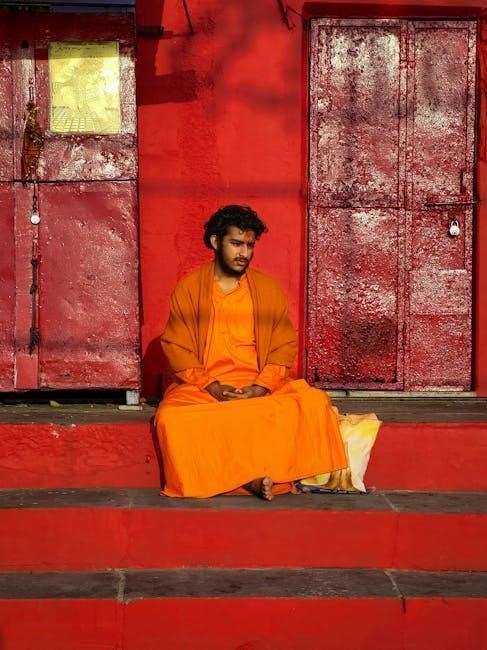
Consistent practice cultivates a sense of peace, acceptance, and trust in the recovery process, fostering emotional resilience.
The Prayer as a Tool for Surrender
The Third Step Prayer is fundamentally a prayer of surrender, acknowledging powerlessness over alcohol and a willingness to turn one’s life over to the care of a Higher Power.
This isn’t passive resignation, but an active release of control, recognizing that self-will has consistently led to negative consequences.
The prayer’s language – “made a decision” – emphasizes agency, while simultaneously embracing the need for external support.
Surrender isn’t a one-time event, but a continuous process, requiring daily reaffirmation and trust.
The prayer provides a framework for letting go of anxieties, fears, and the illusion of control, fostering inner peace.
By repeatedly reciting and reflecting on the prayer, individuals cultivate a deeper understanding of surrender’s liberating power in their recovery journey.
Addressing Common Challenges with the Third Step
Many individuals struggle with the Third Step, encountering obstacles in defining a Higher Power that resonates with them, often feeling stuck or resistant.
The concept of surrender can be particularly challenging, triggering anxieties about losing control or facing vulnerability.
Some experience difficulty relinquishing deeply ingrained self-reliance, believing they must manage their lives independently.
Others grapple with past traumas that make trusting a Higher Power feel unsafe or impossible.
It’s crucial to remember that a Higher Power doesn’t need to be a traditional God; it can be the group, nature, or any source of strength.
Patience and self-compassion are essential, alongside seeking guidance from sponsors and fellow AA members to navigate these hurdles.
Difficulty Defining a Higher Power
A prevalent challenge in the Third Step is conceptualizing a Higher Power, particularly for those with rigid beliefs or negative experiences with organized religion.
Many newcomers struggle to move beyond a traditional, anthropomorphic God, finding it difficult to connect with such a concept.
Others resist the idea altogether, fearing it implies weakness or a loss of autonomy.
The AA program intentionally leaves the definition open-ended, encouraging personal interpretation and exploration.
It’s vital to remember that a Higher Power can be anything that provides strength, guidance, and hope – a group, nature, love, or even the universe itself.
Experimentation and openness are key; allowing the concept to evolve over time through prayer, meditation, and experience.
Resistance to Surrender
The core of the Third Step – making a decision to turn one’s will and life over to the care of God as one understands Him – often meets with significant resistance.
This stems from deeply ingrained patterns of control, a fear of losing independence, and a reluctance to admit powerlessness over alcohol.
Surrender isn’t passive resignation, but rather an active release of the illusion of control, acknowledging that self-will has consistently led to negative consequences.
It requires a profound shift in perspective, moving from striving to control outcomes to trusting in a power greater than oneself.
This can be particularly challenging for individuals with strong personalities or a history of self-reliance.
Acknowledging vulnerability and embracing humility are crucial components of overcoming this resistance and experiencing the freedom offered by the Third Step.
The Third Step and Emotional Intelligence
The Third Step’s call for surrender deeply intertwines with the principles of emotional intelligence (EQ). Recognizing and accepting one’s emotions – including fear, shame, and vulnerability – is paramount to genuine surrender.
EQ allows individuals to understand why they resist letting go, identifying the emotional roots of their control issues.
Developing self-awareness, a key component of EQ, facilitates a more honest assessment of one’s limitations and the destructive patterns of the past.
Furthermore, empathy – understanding the perspectives of others and a Higher Power – fosters a sense of connection and trust.
The ability to manage emotions, rather than being controlled by them, is essential for navigating the discomfort inherent in surrendering one’s will.
Ultimately, cultivating EQ enhances the effectiveness of the Third Step, leading to deeper self-understanding and lasting recovery.
Experiences After 10 Hours of Practice (Relating to Initial Struggle)
Many individuals report an initial period of perceived “nothingness” after dedicating significant time to the Third Step prayer, mirroring experiences described in other contexts – like gaming or new endeavors.
Ten hours can feel unproductive, leading to discouragement and questioning the process, as some users noted a lack of immediate, dramatic results.
This initial “wasteland” experience, devoid of obvious breakthroughs, is common; it’s a period of internal recalibration, not necessarily a sign of failure.

Similar to encountering “crash boxes” or fatal errors, these early struggles can feel frustrating and isolating.
However, persistence is key; the subtle shifts in perspective and emotional availability often emerge gradually, not instantaneously.
Acknowledging this initial struggle and seeking support can prevent premature abandonment of the practice, paving the way for deeper connection.

Connection Errors and Seeking Support (Addressing Technical Difficulties)
Analogously to encountering frustrating “connection errors” when accessing resources, individuals may experience internal resistance or “errors” when attempting to fully engage with the Third Step prayer.
This can manifest as mental blocks, emotional discomfort, or a sense of disconnection from the prayer’s intent, mirroring reports of failed loading or error notifications.
Just as troubleshooting is required for technical issues, seeking support from a sponsor, fellow AA members, or a trusted therapist is crucial.
Sharing these experiences normalizes the struggle and provides access to alternative perspectives and coping strategies.
It’s important to remember that these “errors” aren’t personal failings, but rather indicators of deeper work needing to be done.
Persistence, coupled with a willingness to ask for help, can overcome these obstacles and facilitate a more meaningful connection.
The “Nothing Special” Phenomenon – Initial Disappointment
Many individuals report an initial sense of “nothing special” when first engaging with the Third Step prayer, a feeling akin to watching “10 hours of nothing” and experiencing discouragement.
This can lead to disappointment, as expectations of immediate, dramatic shifts often go unmet, mirroring the boredom some experience after extended initial effort.
It’s crucial to understand that the Third Step isn’t about instant gratification, but rather a gradual process of surrender and alignment with a Higher Power.
The lack of “random jumpscares” or “horror-vibe” can be misinterpreted as ineffectiveness, when in reality, it signifies a gentle, internal shift.
This initial “bare bones” experience is normal, and patience is key to allowing the prayer’s power to unfold over time.
Recognizing this phenomenon can prevent premature abandonment and encourage continued practice.
The Wasteland Experience – Encountering Challenges (or Lack Thereof)
Similar to sending individuals into a “wasteland” in another context and finding “nothing,” some experience a perceived lack of immediate challenges when applying the Third Step prayer.
This absence of obvious obstacles can be unsettling, leading to questions about whether the process is truly working or if something is missing.
However, the “wasteland” isn’t necessarily devoid of activity; it represents an internal landscape where subtle shifts are occurring beneath the surface.
The challenge may not be external battles, but rather confronting internal resistance, ingrained patterns, and deeply held beliefs.
The lack of “bloatflies or rad roaches” symbolizes the absence of dramatic crises, allowing for focused introspection and surrender.
Embracing this quiet period is vital, recognizing it as a space for profound inner work and growth.
Crash Boxes and Fatal Errors – Troubleshooting
Analogous to encountering “crash boxes” and “fatal errors” in a digital realm, individuals may experience setbacks or internal disruptions when actively engaging with the Third Step prayer.
These “errors” aren’t necessarily failures, but rather signals indicating areas where deeper exploration and adjustment are needed.
Like a game loading with an error notification, the process might feel stalled or unproductive, prompting frustration and discouragement.
Troubleshooting involves revisiting the core principles of the Step, ensuring a clear understanding of “decision,” “Higher Power,” and “care.”
Seeking support from a sponsor or community is crucial, as external perspectives can illuminate blind spots and offer guidance.
Patience and persistence are key, recognizing that navigating these “errors” is an integral part of the journey towards surrender and acceptance.

Community Discussions and Shared Experiences
The journey through the Third Step Prayer is rarely a solitary one; vibrant community discussions and shared experiences offer invaluable support and insight.
Online forums and in-person meetings provide spaces to connect with others grappling with similar challenges – defining a Higher Power, embracing surrender, and navigating initial disappointments.
Hearing how others have personalized the prayer, interpreted its meaning, and overcome obstacles can be profoundly encouraging.
Sharing personal struggles, even feelings of “nothing special” happening after dedicated practice, normalizes the process and fosters a sense of belonging.
These collective narratives demonstrate that setbacks are common, and persistence ultimately yields positive results.
The power of shared vulnerability creates a safe environment for honest reflection and mutual growth, strengthening commitment to the Third Step.
The Role of Patience and Persistence
Embracing the Third Step Prayer isn’t about instant revelation; it demands unwavering patience and consistent persistence, especially when initial efforts seem fruitless.
Many individuals report a period of “nothing special” occurring after dedicated practice, mirroring experiences of stagnation or lack of immediate change.
This can be discouraging, leading to resistance or a desire to abandon the process prematurely, but it’s crucial to persevere.
The journey of surrender is often gradual, unfolding over time as one consistently returns to the prayer and its core principles.
Persistence isn’t merely repetition, but a deepening engagement with the prayer’s meaning and a willingness to remain open to its transformative power.
Trusting the process, even in the absence of immediate results, is paramount to experiencing the Third Step’s full potential.
Resources for Further Study and Support
Beyond the readily available PDF versions of the Third Step Prayer, numerous resources bolster understanding and facilitate deeper engagement.
The official Alcoholics Anonymous website (aa;org) provides foundational literature, including the Big Book, offering comprehensive insights into the Twelve Steps.
Local AA meetings offer invaluable peer support, creating a safe space to share experiences and learn from others navigating similar challenges.
Online forums and communities, like those found on Reddit (r/technicallythetruth, r/notinteresting), can provide additional perspectives and encouragement.
Exploring literature on emotional intelligence can further enhance self-awareness and facilitate the surrender process.
Remember to approach third-party resources with discernment, prioritizing information aligned with AA’s core principles and seeking guidance from trusted sources.
The Third Step Prayer, while seemingly simple, represents a profound commitment to surrender and a willingness to embrace a power greater than oneself.
The journey isn’t always immediate or dramatic; initial experiences might feel “not interesting” or yield “nothing special,” mirroring the wasteland experience of encountering challenges or, surprisingly, none at all.
Patience and persistence are crucial, acknowledging that growth unfolds over time, even amidst connection errors or frustrating “crash boxes.”
Remember that defining a Higher Power is deeply personal, and the prayer serves as a continuous invitation to explore and refine that understanding.
Embrace the process, seek support, and trust that even ten hours of perceived stagnation can lay the groundwork for lasting transformation.