Kitchen Knife Guide: A Comprehensive Overview (Updated 04/01/2026)
Navigating the world of kitchen knives can be daunting‚ yet essential for culinary success; understanding materials‚ construction‚ and proper care unlocks flavorful possibilities․
Kitchen knives are fundamental tools‚ evolving significantly from ancient bone‚ stone‚ and flint origins to the sophisticated steel and ceramic blades we utilize today․ These instruments aren’t merely for chopping; they profoundly impact food quality and the overall culinary experience‚ particularly for the modern home cook․ The sheer variety – shapes‚ sizes‚ and specialized designs – can initially feel overwhelming․ However‚ a core understanding of essential knives empowers anyone to tackle kitchen tasks efficiently and safely․
A well-chosen knife transcends being a simple utensil; it becomes an extension of your hand‚ facilitating precise cuts and enhancing control․ Whether you’re a seasoned chef or a beginner‚ recognizing the importance of a good chef’s knife‚ alongside other key types‚ is the first step towards elevating your cooking․ This guide aims to demystify the world of kitchen knives‚ providing insights into selection‚ maintenance‚ and usage․
Why Choosing the Right Knife Matters
Selecting the appropriate kitchen knife isn’t simply about possessing a sharp object; it’s about safety‚ efficiency‚ and ultimately‚ the quality of your culinary creations․ Using the wrong knife for a task can lead to accidents‚ uneven cuts‚ and frustration․ A dull or ill-suited blade requires more force‚ increasing the risk of slipping and causing injury․ Conversely‚ a sharp‚ properly chosen knife minimizes effort‚ allowing for precise control and consistent results․
The right knife enhances your cooking process‚ making food preparation faster and more enjoyable․ It preserves the texture and flavor of ingredients‚ preventing bruising or tearing․ Investing in quality knives is an investment in your culinary skills and overall kitchen experience‚ transforming routine tasks into pleasurable endeavors․ It’s the foundation of any cook’s toolkit․
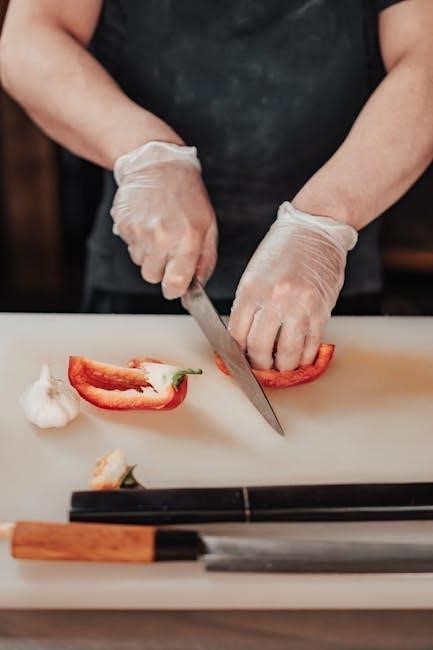
Types of Kitchen Knives
From the versatile chef’s knife to specialized blades like paring and serrated knives‚ each design caters to specific tasks‚ enhancing precision and efficiency․
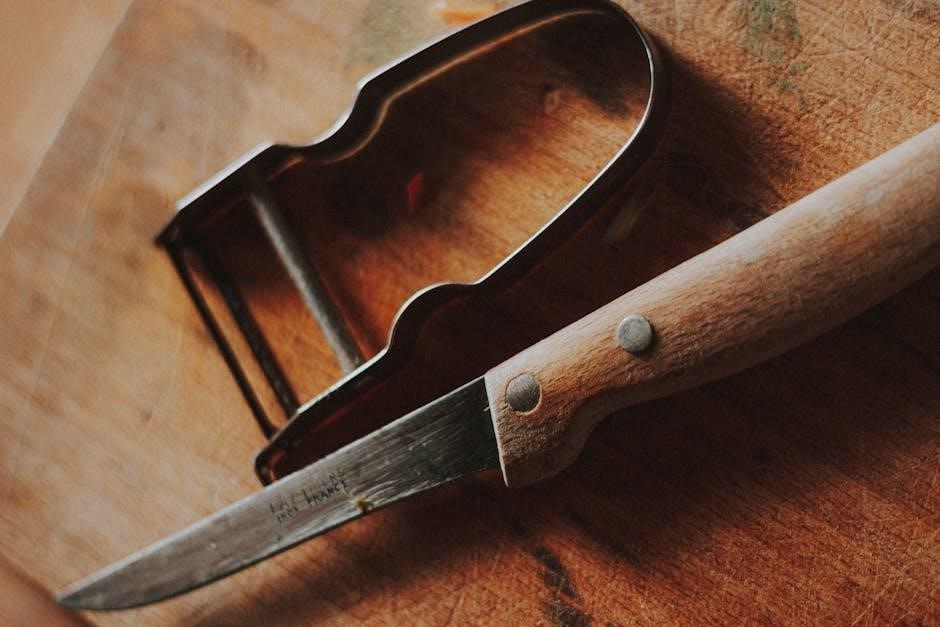
Chef’s Knife: The Workhorse
The chef’s knife reigns supreme as the most essential tool in any kitchen‚ serving as the foundation for countless culinary preparations․ Its broad blade‚ typically ranging from 8 to 12 inches‚ allows for a rocking motion ideal for chopping‚ slicing‚ dicing‚ and mincing a wide variety of ingredients․ A good chef’s knife isn’t merely a tool; it’s an extension of the cook’s hand‚ enabling efficient and precise work․
Whether you’re tackling vegetables‚ fruits‚ herbs‚ or even breaking down poultry‚ the chef’s knife proves remarkably versatile․ Investing in a high-quality chef’s knife is paramount‚ as it will withstand frequent use and maintain its sharpness with proper care․ Many cooks consider it the single most important knife to own‚ capable of handling approximately 80% of kitchen tasks․ Choosing the right weight and balance is crucial for comfort and control‚ ensuring a seamless cooking experience․
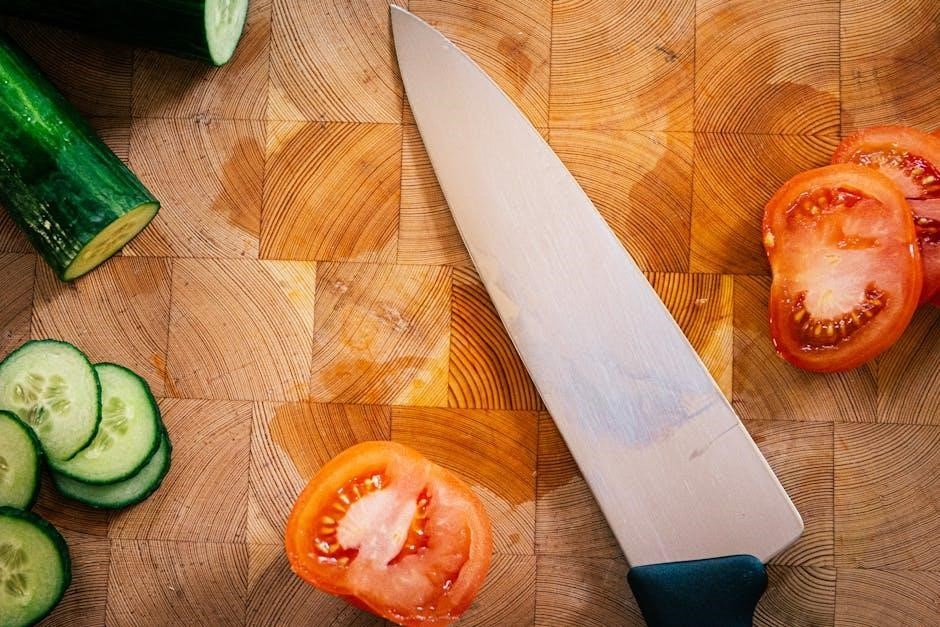
Paring Knife: Precision and Detail
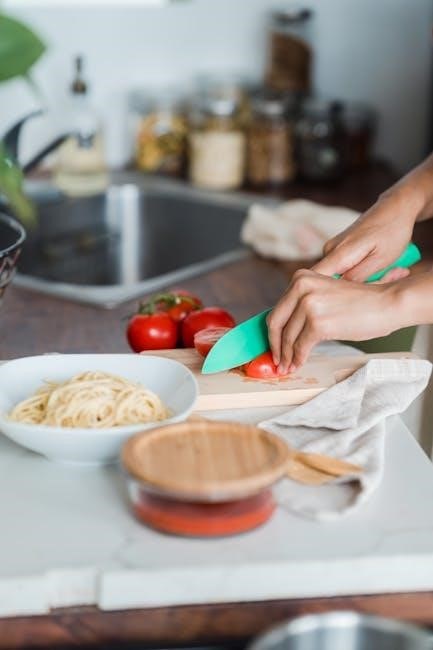
The paring knife‚ typically between 2․5 and 4 inches in length‚ excels at tasks demanding finesse and control‚ making it a vital companion to the chef’s knife․ Unlike its larger counterpart‚ the paring knife isn’t designed for heavy chopping; instead‚ it shines in intricate work like peeling fruits and vegetables‚ removing seeds‚ coring apples‚ and creating garnishes․
Its small size allows for exceptional maneuverability‚ enabling precise cuts and detailed work that would be cumbersome with a larger blade․ A sharp paring knife is indispensable for delicate operations‚ such as deveining shrimp or trimming small vegetables․ While seemingly simple‚ selecting a paring knife with a comfortable grip is essential for extended use․ It’s a testament to how specialized tools enhance the overall cooking process‚ offering precision where larger knives fall short․
Serrated Knife (Bread Knife): Tackling Crusts and More
The serrated knife‚ often recognized as the bread knife‚ distinguishes itself with a blade featuring a scalloped‚ or “toothed‚” edge․ This unique design isn’t intended for clean slicing through hard items; rather‚ it’s optimized for foods with a firm exterior and soft interior‚ like bread‚ tomatoes‚ and citrus fruits․ The serrations “saw” through the crust without crushing the delicate inner texture‚ ensuring neat‚ even slices every time․
Beyond bread‚ a serrated knife proves invaluable for slicing cakes‚ pastries‚ and even roasted meats where a clean cut is desired without tearing․ The length typically ranges from 8 to 10 inches‚ providing ample reach for larger items․ Maintaining the serrations is crucial; specialized sharpening tools are needed to restore their effectiveness‚ as traditional honing won’t suffice․
Utility Knife: The Versatile All-Rounder
Bridging the gap between the chef’s knife and the paring knife‚ the utility knife earns its reputation as a remarkably versatile tool in the kitchen․ Typically ranging from 5 to 7 inches in blade length‚ it’s smaller and more maneuverable than a chef’s knife‚ yet larger and more substantial than a paring knife․ This makes it ideal for a wide array of tasks‚ from slicing smaller fruits and vegetables to trimming meats and cheeses․
The utility knife excels at tasks where a chef’s knife might feel unwieldy and a paring knife lacks sufficient reach․ It’s a fantastic choice for everyday kitchen work‚ offering a balance of precision and power․ Often featuring a pointed tip‚ it’s adept at detailed cuts‚ while its broader blade provides stability for larger items․
Boning Knife: For Meat and Poultry
Designed with precision in mind‚ the boning knife is a specialized tool crucial for breaking down raw meat‚ poultry‚ and fish with exceptional control․ Characterized by its narrow blade‚ typically ranging from 5 to 7 inches‚ and often slightly flexible‚ it allows cooks to navigate around bones and joints with ease‚ minimizing waste and maximizing yield․
The curved blade of a boning knife is specifically engineered to follow the contours of bones‚ enabling clean and efficient separation of meat from the skeleton․ Different blade flexibilities cater to various tasks; stiffer blades are suited for larger cuts‚ while more flexible blades excel with poultry and fish․ Mastering this knife requires practice‚ but the results – perfectly portioned and bone-free cuts – are well worth the effort․
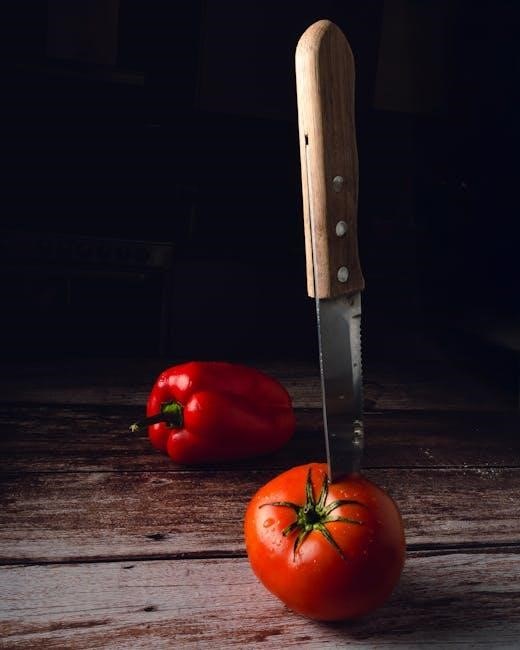
Knife Materials
From resilient stainless steel to beautiful Damascus‚ knife materials significantly impact performance‚ durability‚ and maintenance‚ influencing sharpness and rust resistance profoundly․
Stainless Steel: Durability and Ease of Maintenance
Stainless steel remains a cornerstone material for kitchen knives‚ prized for its exceptional resistance to rust‚ corrosion‚ and staining—a crucial benefit for everyday use․ This alloy‚ containing at least 10․5% chromium‚ forms a passive layer protecting the underlying metal‚ minimizing reactivity with food and moisture․ While generally less hard than high-carbon steel‚ stainless steel offers a fantastic balance of durability and ease of maintenance‚ requiring less frequent sharpening․
Different grades of stainless steel exist‚ impacting performance; lower grades may dull quicker‚ while higher grades approach the sharpness of carbon steel․ Its affordability and relatively low maintenance make it an excellent choice for beginner cooks or those seeking reliable‚ workhorse knives․ Cleaning is straightforward – typically‚ warm soapy water and a thorough drying are sufficient․ However‚ even stainless steel benefits from occasional honing to maintain its edge․
High-Carbon Stainless Steel: Enhanced Sharpness and Edge Retention
High-carbon stainless steel represents a significant upgrade over standard stainless steel‚ blending the corrosion resistance of stainless alloys with the superior hardness and edge retention of high-carbon steel․ The addition of carbon allows for a much finer‚ sharper edge that holds its sharpness for a longer period‚ reducing the frequency of sharpening․ This makes it a favorite among serious home cooks and professional chefs alike․
While offering exceptional performance‚ high-carbon stainless steel can be slightly more susceptible to rust or staining if not properly cared for․ Regular cleaning and drying are essential‚ and occasional oiling can further protect the blade․ These knives typically require a bit more attention than standard stainless steel‚ but the enhanced cutting performance is well worth the effort․ They strike a compelling balance between performance and practicality․
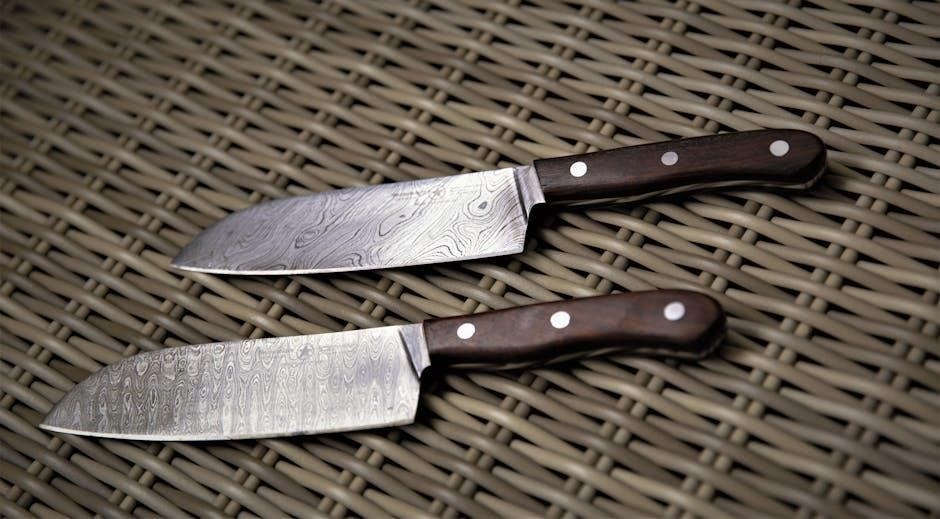
Damascus Steel: Beauty‚ Strength‚ and Performance
Damascus steel knives are renowned not only for their striking‚ layered appearance but also for their exceptional strength and performance․ Traditionally created by folding and forging different types of steel together‚ modern Damascus often utilizes high-carbon steel for a superior edge․ This process creates a blade with incredible flexibility‚ preventing brittleness‚ and remarkable edge retention‚ allowing for precise cuts․
The distinctive patterns on a Damascus blade aren’t merely aesthetic; they visually represent the layers of steel․ These knives are often considered works of art‚ combining functionality with visual appeal․ However‚ the intricate forging process makes them typically more expensive than other knife types․ Proper care‚ including careful cleaning and occasional oiling‚ is crucial to maintain their beauty and prevent corrosion‚ ensuring a lifetime of culinary excellence․
Ceramic Knives: Lightweight and Rust-Proof
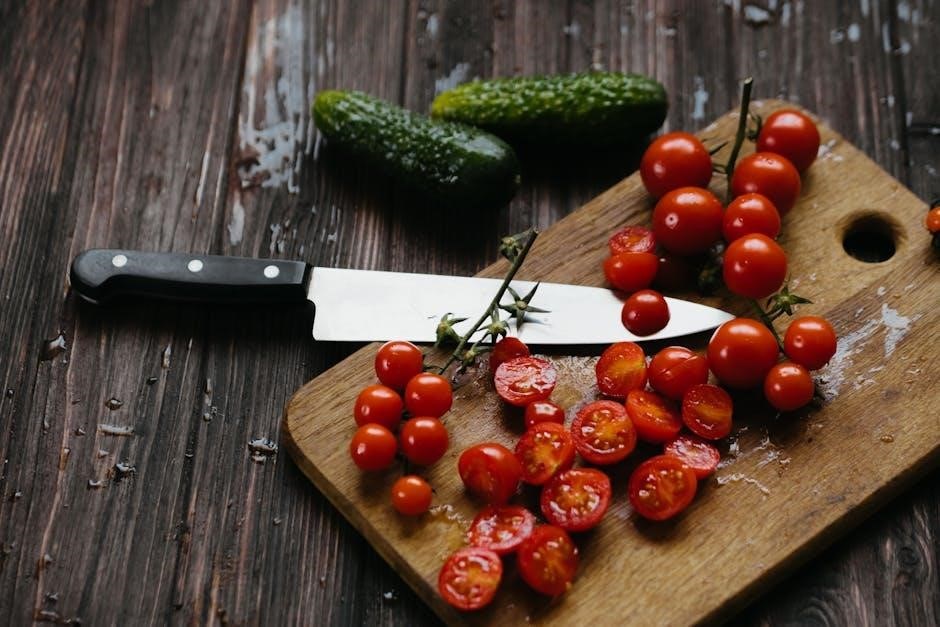
Ceramic knives have emerged as a popular alternative to traditional steel blades‚ prized for their exceptional lightness and complete resistance to rust․ Constructed from materials like zirconium oxide‚ these knives are incredibly sharp and maintain their edge for a remarkably long time‚ requiring less frequent sharpening․ Their non-porous nature also prevents them from absorbing odors or staining‚ contributing to a cleaner culinary experience․
However‚ ceramic knives are significantly more brittle than steel‚ making them susceptible to chipping or breaking if dropped or used on hard surfaces․ They are best suited for precise tasks like slicing fruits‚ vegetables‚ and boneless meats‚ and are not recommended for cutting through bone or frozen foods․ Careful handling and dedicated storage are essential to maximize their lifespan and enjoy their unique benefits․
Understanding Knife Construction
Knife construction profoundly impacts performance; examining tangs‚ blade geometry‚ and handle materials reveals how balance‚ durability‚ and control are achieved expertly․
Full Tang vs․ Partial Tang: What’s the Difference?
The “tang” refers to the portion of the blade that extends into the handle of a knife‚ and its construction significantly impacts the knife’s balance‚ strength‚ and overall feel․ A full tang knife extends the entire length and width of the handle‚ providing superior stability and durability․ This construction distributes weight evenly‚ reducing strain during prolonged use and minimizing the risk of the handle breaking or becoming loose․
Conversely‚ a partial tang knife has a tang that doesn’t run the full length of the handle․ While often more affordable to produce‚ partial tang knives generally offer less strength and balance․ They are more prone to breakage under heavy stress․ Different types of partial tangs exist‚ including stick tangs and hidden tangs‚ each with varying degrees of structural integrity․ For serious cooks prioritizing longevity and performance‚ a full tang knife is almost always the preferred choice‚ offering a more robust and reliable tool in the kitchen․
Blade Geometry: Convex‚ Flat‚ and Hollow Grinds
The shape of a knife’s blade‚ specifically its grind‚ profoundly influences its cutting performance and suitability for different tasks․ Flat grinds‚ characterized by a consistent angle from the spine to the edge‚ offer a good balance of strength and sharpness‚ making them versatile for many kitchen applications․ They excel at chopping and provide a stable cutting surface․
Convex grinds feature a curved blade profile‚ creating a stronger edge that resists chipping and rolling․ This geometry is often found in Japanese knives and is ideal for push-cutting techniques․ Hollow grinds‚ with a concave curve‚ create a very thin and acute edge‚ maximizing sharpness for slicing and delicate work․ However‚ they are generally less durable than flat or convex grinds․ Understanding these geometries allows cooks to select knives optimized for their preferred cooking styles and ingredients․
Handle Materials: Wood‚ Synthetic‚ and Composite
A knife’s handle is crucial for comfort‚ control‚ and safety; the material significantly impacts these aspects․ Wood handles‚ traditionally favored‚ offer a warm‚ natural feel and excellent grip‚ but require regular oiling to prevent cracking and warping․ They provide a classic aesthetic and comfortable experience․
Synthetic handles‚ often made from materials like polypropylene or POM‚ are incredibly durable‚ hygienic‚ and resistant to moisture and temperature changes․ They require minimal maintenance and are a practical choice for busy kitchens․ Composite handles‚ combining wood and synthetic materials‚ aim to blend the best qualities of both worlds – the aesthetic appeal of wood with the durability of synthetics․ The ideal handle material depends on personal preference and intended use‚ balancing comfort‚ durability‚ and maintenance needs․
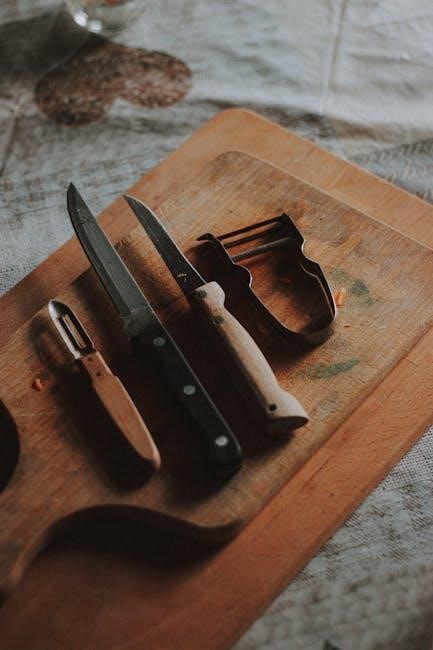
Knife Care and Maintenance
Maintaining sharpness through regular honing and sharpening‚ alongside proper cleaning and storage‚ ensures longevity and safety for your valuable kitchen knives․
Sharpening Techniques: Whetstones‚ Honing Steels‚ and Electric Sharpeners
Sharpening restores a knife’s edge‚ while honing realigns it; understanding the difference is crucial․ Whetstones‚ available in various grits‚ demand skill and patience‚ creating a truly refined edge․ Honing steels‚ used frequently‚ maintain alignment between sharpenings‚ extending sharpness․
Electric sharpeners offer convenience‚ but can be abrasive‚ removing more metal than necessary․ Choosing the right grit is vital – coarser grits for dull knives‚ finer grits for refining․ Mastering the angle is paramount for all methods‚ typically around 20 degrees․ Consistent practice yields optimal results‚ ensuring safe and efficient cutting․
Regular honing‚ even daily‚ significantly reduces the need for aggressive sharpening․ Remember to always follow the manufacturer’s instructions for your chosen sharpening tool‚ prioritizing safety and precision․
Proper Cleaning and Storage
Maintaining your knives extends their lifespan and prevents contamination․ Immediately after use‚ hand wash with warm‚ soapy water; avoid dishwashers‚ as harsh detergents and banging can damage the blade and handle․ Dry thoroughly with a clean towel to prevent rust and water spots․
Proper storage is equally vital․ Knife blocks are excellent‚ protecting blades from damage and fingers from accidental cuts․ Magnetic strips offer space-saving convenience and easy access‚ but ensure knives aren’t clashing․ Sheaths or blade guards are ideal for individual protection during storage or transport․
Never store knives loose in a drawer‚ as this dulls the edge and poses a safety hazard․ Regular cleaning and mindful storage are simple habits that preserve your investment and ensure culinary safety․
Recognizing When a Knife Needs Replacing
Even with diligent care‚ kitchen knives eventually reach the end of their useful life․ Persistent chipping‚ despite repeated sharpening‚ signals significant blade damage and compromises safety․ If the handle becomes loose‚ cracked‚ or unstable‚ it poses a risk of injury and hinders control․
Rust that penetrates deeply‚ even after cleaning‚ indicates irreversible corrosion; A warped or bent blade affects cutting performance and can’t be reliably corrected․ Difficulty achieving a sharp edge‚ even with professional sharpening‚ suggests metal fatigue or structural weakness․
Ultimately‚ replacing a knife is a safety precaution․ Don’t hesitate to retire a compromised blade; a new‚ reliable knife is a worthwhile investment in your culinary well-being and efficiency․
Choosing the Right Knife Set for Your Needs
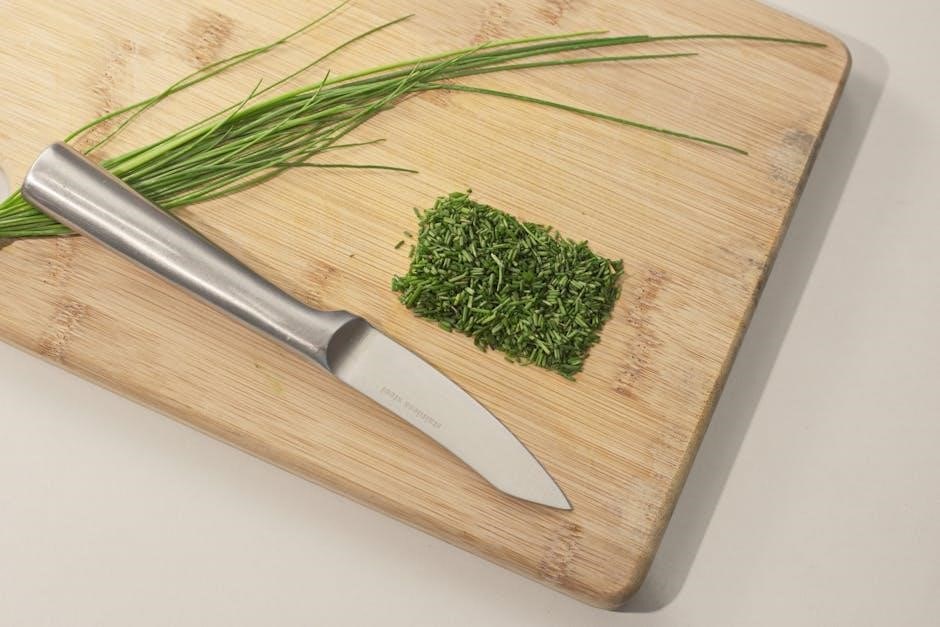
For the home cook‚ a comprehensive knife set isn’t always necessary; focusing on quality over quantity is key․ A foundational set typically includes a chef’s knife‚ paring knife‚ and serrated bread knife – covering most everyday tasks․ Consider a utility knife for added versatility‚ bridging the gap between the larger chef’s knife and smaller paring knife․
Evaluate your cooking style․ Frequent meat preparation warrants a boning knife․ If you often tackle large fruits and vegetables‚ a larger chef’s knife is beneficial․ Avoid overly large sets with specialized knives you’ll rarely use․
Prioritize a block set for safe storage and blade protection‚ or magnetic strips for easy access and visibility․