Daikin Fit Installation Manual: Comprehensive Guide
Daikin offers attractive cashback actions for orders placed before 03/31/2025, including 750 on air-to-water heat pumps and up to 6 with Daikin Warm & Cool.
This manual details R410A split series installation, covering safety considerations and potential fire hazards related to improper installation practices.
Ensure proper configuration, referencing Daikin tables for accepted setups, and prioritize insulation to prevent exposed piping issues during installation.
Safety Precautions
Prior to commencing any Daikin Fit installation, a thorough understanding of these safety precautions is paramount. Operating the unit under improper conditions presents a significant fire risk, demanding strict adherence to guidelines.
Installation personnel must be qualified and fully aware of potential hazards associated with refrigerant handling and electrical connections. Problems arising from incorrect installation can lead to overheating and potential fire ignition.
Always disconnect power before performing any electrical work. Utilize only Daikin-approved communicating thermostats to ensure system compatibility and safe operation. Carefully shape wires to guarantee a secure fit of the service lid, preventing accidental contact.
When using single-core wires for terminal block connections, meticulous curling is essential. Avoid stacking more than two units, and when stacking, ensure condensate drainage from the upper unit doesn’t impact the lower unit.
Regularly check for proper insulation seam alignment, specifically bringing the seams of D and E fitting insulation to the top, and fully insulate all field piping up to the unit connection.
Electrical Safety
Electrical work on the Daikin Fit system demands strict adherence to safety protocols to prevent hazards like shock and fire. Always disconnect the main power supply before initiating any wiring procedures, both for indoor and outdoor units.
Employ only qualified electricians familiar with HVAC systems and local electrical codes. Improper wiring can lead to system malfunction, damage, and potentially dangerous situations. When connecting wires to the terminal block, utilize single-core wires and ensure proper curling for a secure connection.

Verify wire gauge compatibility with the unit’s specifications. Securely shape the wires to ensure the service lid closes firmly, preventing accidental contact with live components. Double-check all connections for tightness and correct polarity.
Pay close attention to grounding requirements to minimize the risk of electrical shock. Any exposed wiring or loose connections must be addressed immediately. Problems with installation may cause heat and fires, so meticulous attention to detail is crucial.
Utilize Daikin-approved thermostats for optimal electrical compatibility and system performance, avoiding potential electrical conflicts.
Refrigerant Handling
The Daikin Fit system utilizes R410A refrigerant, requiring careful handling to ensure environmental responsibility and system efficiency. Technicians must possess proper certification to handle refrigerants, adhering to all local and national regulations regarding recovery, recycling, and disposal.
Avoid releasing refrigerant into the atmosphere during installation, service, or decommissioning. Utilize approved recovery equipment to capture any refrigerant from the system. Leaks must be promptly identified and repaired by qualified personnel.
When connecting refrigerant piping, ensure joints are properly flared, brazed, or mechanically sealed to prevent leaks. Pressure test all connections after installation to verify integrity. Insulate all refrigerant lines thoroughly to minimize heat gain or loss and prevent condensation.
Properly label all refrigerant lines and components to clearly identify the refrigerant type. Store refrigerant cylinders in a well-ventilated area, away from heat sources and direct sunlight. Always consult the Daikin installation manual for specific refrigerant handling guidelines.
Operating the unit with improper refrigerant charge can lead to reduced performance, component damage, and potential system failure.
Unit Placement Guidelines
Proper unit placement is crucial for optimal performance and longevity of your Daikin Fit system. Both indoor and outdoor units require careful consideration of their surrounding environment.
Indoor units should be positioned to allow for unobstructed airflow, avoiding curtains, furniture, or other obstructions. Ensure sufficient space around the unit for maintenance and servicing. Avoid direct sunlight and heat sources, as these can affect cooling efficiency.
Outdoor units require a level, stable surface capable of supporting the unit’s weight. Maintain adequate clearance around the unit for ventilation and service access. Protect the unit from extreme weather conditions, such as heavy snow or strong winds.
When stacking units, ensure the drain water from the top unit is routed away from the lower unit to prevent water damage. Multiple rows of series installation are possible, but require careful planning.
Avoid locations with corrosive gases or excessive dust. Consider noise levels when selecting a location, minimizing disturbance to occupants. Always refer to the Daikin installation manual for specific placement recommendations.
Indoor Unit Installation
Begin by carefully unpacking the indoor unit and verifying all components are present. Prior to mounting, plan the refrigerant piping and electrical wiring routes to ensure a clean and efficient installation.
Mounting the indoor unit securely to the wall is paramount. Use appropriate mounting brackets and screws, ensuring the unit is level and stable. Double-check the bracket’s capacity to support the unit’s weight.
Connecting the refrigerant piping requires careful attention to detail. Ensure all connections are tight and leak-free, utilizing approved flare nuts and sealing techniques. Proper insulation of the piping is essential to prevent energy loss.
Electrical wiring must adhere to local codes and regulations. Use the correct wire gauge and ensure proper grounding. Securely connect the wires to the terminal block, curling single-core wires for a reliable connection.
Before powering on, verify all connections and ensure the service lid is securely closed. Improper installation can lead to heat, fires, or unit malfunction. Refer to the manual for detailed wiring diagrams.
Mounting the Indoor Unit
Prior to mounting, carefully inspect the wall for structural integrity, ensuring it can adequately support the indoor unit’s weight. Select a location that allows for unobstructed airflow and easy access for maintenance.
Utilize the provided mounting bracket as a template to mark the screw holes accurately; Drill pilot holes and insert appropriate wall anchors if necessary, especially for drywall installations.
Securely attach the mounting bracket to the wall using screws of the correct size and type. Verify the bracket is level using a spirit level before proceeding. A level installation is crucial for proper drainage.
Carefully lift the indoor unit onto the mounting bracket, ensuring it engages securely. Double-check that the unit is firmly seated and cannot be easily dislodged.
Confirm the unit is level after mounting. Minor adjustments can be made by shimming the bracket if needed. A stable and level installation minimizes vibration and noise.
Ensure sufficient clearance around the unit for servicing and airflow, as specified in the installation manual.
Connecting Refrigerant Piping
Before connecting any refrigerant piping, thoroughly purge the lines with nitrogen to remove any air or moisture. This prevents contamination and ensures optimal system performance.
Carefully flare the refrigerant lines to match the fittings on the indoor and outdoor units. Ensure flares are clean, smooth, and free of any imperfections to create a leak-tight seal.
Apply a thin coat of refrigerant oil to the flares before connecting them to the fittings. This lubricates the connection and aids in sealing.
Tighten the flare nuts securely using a wrench, but avoid over-tightening, which can damage the fittings. Follow the torque specifications provided in the installation manual.
Insulate all refrigerant piping thoroughly with the provided insulation material. This prevents heat gain or loss and minimizes condensation. Make sure to bring the seam of D fitting insulation and E fitting insulation to the top.
Check for leaks using a refrigerant leak detector after completing the connections. Address any leaks immediately before proceeding.
Electrical Wiring – Indoor Unit
Only use Daikin approved communicating thermostats for optimal system control and compatibility. Incorrect thermostat wiring can lead to malfunctions or damage.
Before making any electrical connections, ensure the power supply to the indoor unit is completely disconnected at the breaker panel. Safety is paramount when working with electricity.
Connect the field supply wires to the appropriate terminals on the indoor unit’s terminal block, referencing the wiring diagram in the installation manual.
When connecting the connection wires to the terminal block using a single core wire, be sure to perform curling. This ensures a secure and reliable connection.
Shape the wires carefully so that the service lid fits securely and closes properly, protecting the wiring connections.
Double-check all wiring connections for tightness and accuracy before restoring power. Problems with installation may cause heat and fires.
Outdoor Unit Installation
Proper positioning of the outdoor unit is crucial for efficient operation and longevity. Ensure adequate space around the unit for airflow and maintenance access.
Secure the outdoor unit firmly on a level surface, using appropriate mounting hardware to withstand wind loads and vibrations. A stable foundation prevents noise and potential damage.
Consider stacking limitations; do not stack more than two units. When stacked, route drainage from the top unit to avoid water cascading onto the lower unit, preventing corrosion.
Multiple rows of series installation require careful planning to ensure proper airflow and prevent overheating; Maintain sufficient spacing between units.
Insulate any field piping all the way to the piping connection inside the unit. Exposed piping can lead to energy loss and condensation issues.
Before commencing installation, verify the unit’s electrical requirements and ensure a dedicated circuit is available. Improper electrical connections can cause malfunctions.
Positioning the Outdoor Unit
Careful positioning is paramount for optimal performance and to prevent operational issues. Ensure sufficient clearance around the unit – at least 30cm on all sides – for unobstructed airflow, vital for efficient heat exchange.
Avoid direct sunlight exposure, especially during peak hours, as this can increase internal temperatures and reduce cooling capacity. Consider shading options if necessary.
Select a level and stable surface capable of supporting the unit’s weight, even when subjected to vibrations during operation. Uneven surfaces can cause noise and premature wear.
Protect the unit from harsh weather conditions like heavy rain, snow, and strong winds. Consider a protective cover or strategic placement under an overhang.
Ensure easy access for maintenance and servicing. Technicians need clear access to all components for inspections, repairs, and cleaning.
Avoid locations near flammable materials or sources of ignition. Operating the unit in such conditions may result in a fire, posing a significant safety hazard.
Securing the Outdoor Unit
Robust securing of the outdoor unit is crucial to prevent movement caused by wind, vibrations, or seismic activity. Utilize a sturdy mounting platform designed to withstand the unit’s weight and external forces.
Employ appropriate anchoring bolts, compatible with the mounting surface material (concrete, soil, etc.). Ensure the bolts are securely fastened and tightened to the manufacturer’s specifications.
Consider vibration isolation pads between the unit and the mounting platform to minimize noise transmission and reduce stress on the unit’s components.
Regularly inspect the mounting hardware for signs of corrosion, loosening, or damage. Promptly replace any compromised components to maintain stability.
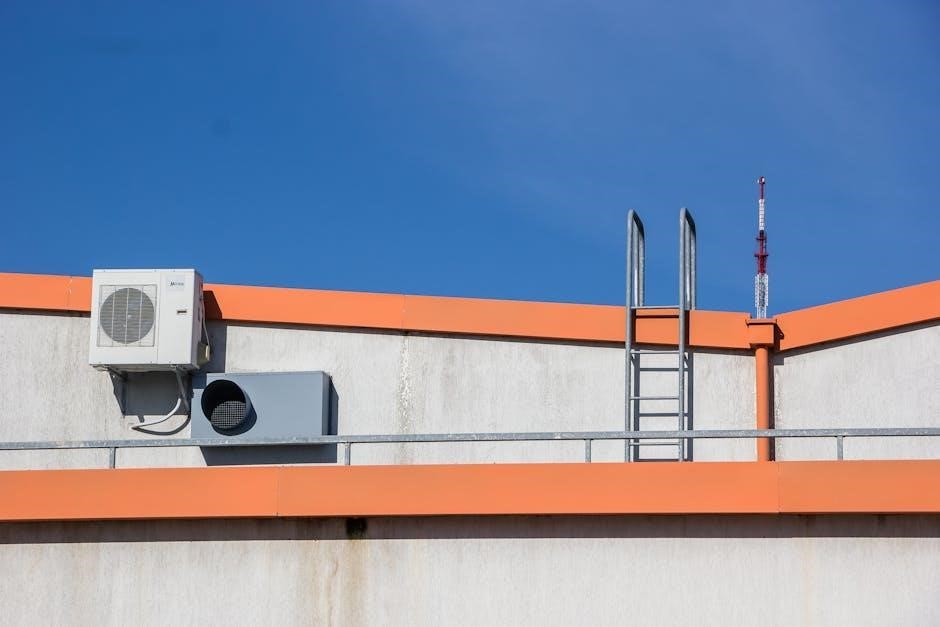
In areas prone to earthquakes, implement additional seismic bracing measures as per local building codes and regulations. This may involve specialized mounting brackets or restraints.
Problems with installation may cause heat and fires, so ensure all securing measures are correctly implemented. A properly secured unit ensures longevity and safe operation.
Electrical Wiring – Outdoor Unit
Prior to commencing electrical work, completely disconnect power to the circuit. Verify the voltage and frequency match the unit’s specifications detailed on the nameplate.
Utilize appropriately sized wiring, conforming to local electrical codes, to handle the unit’s current draw. Ensure all connections are tight and secure to prevent overheating.
Employ a dedicated circuit breaker for the outdoor unit to prevent overloading and potential hazards. Ground the unit properly to minimize electrical shock risks.
When connecting wires to the terminal block using a single core wire, perform curling to ensure a secure connection. Shape the wires so the service lid fits securely.
Carefully route wiring, protecting it from physical damage and exposure to the elements. Use conduit or other suitable protective coverings where necessary.
Problems with installation may cause heat and fires, so double-check all wiring connections before restoring power. Incorrect wiring can lead to unit malfunction or safety hazards.
System Configuration & Stacking
Daikin provides configuration tables outlining acceptable system combinations. Consider usage patterns when selecting unit capacities; for infrequent full-capacity operation, smaller units may suffice.
Do not stack more than two units. When stacking, ensure proper drainage; water from the top unit must not drain onto the lower unit, preventing potential damage and operational issues.
Multiple rows of series installation are permissible, adhering to Daikin’s guidelines. Careful planning is crucial to maintain optimal airflow and system efficiency.
Ensure adequate space around stacked units for servicing and maintenance. Accessibility is vital for troubleshooting and performing necessary repairs.
Verify compatibility between indoor and outdoor units based on Daikin’s specifications. Incorrect pairings can lead to reduced performance and system failures.
Always consult Daikin documentation for specific stacking requirements and limitations. Following these guidelines ensures a reliable and efficient multi-unit installation.
Multiple Unit Installation
When implementing a Daikin multi-unit system, careful planning is essential for optimal performance and longevity. Multiple rows of series installation are supported, but require adherence to specific guidelines to avoid operational issues.
Prior to installation, thoroughly review Daikin’s configuration tables to ensure compatibility between all indoor and outdoor units. Incorrect pairings can significantly reduce system efficiency and potentially cause failures.
Consider the total cooling/heating load and distribute it appropriately across the installed units. Uneven distribution can lead to short-cycling and reduced comfort levels.
Pay close attention to refrigerant piping design, ensuring proper sizing and routing to minimize pressure drop and maintain consistent refrigerant flow throughout the system.
Electrical wiring must be sized correctly to handle the combined electrical load of all units. Consult a qualified electrician to ensure compliance with local codes.
Regular maintenance is crucial for multi-unit systems. Schedule routine inspections and cleaning to prevent issues and maintain peak performance.
Stacked Unit Considerations (Drainage)
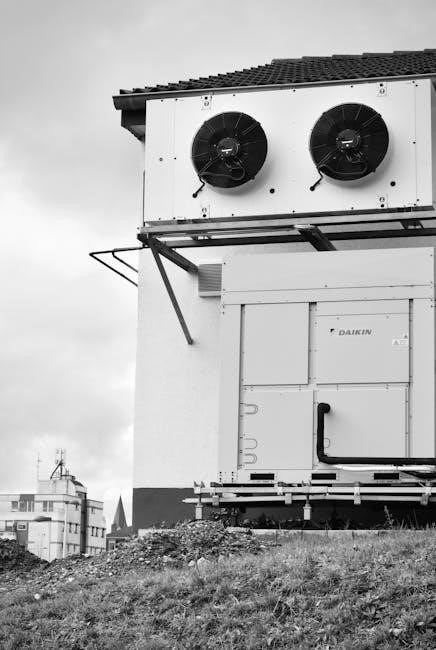
When installing Daikin units in a stacked configuration, meticulous attention to drainage is paramount to prevent water damage and maintain system efficiency; Do not stack more than two units, as exceeding this limit can compromise drainage effectiveness and structural integrity.
Critically, drain water from the top unit should be routed in a way so that it does not drain on the lower unit. Direct water contact with the lower unit’s components can lead to corrosion, electrical issues, and premature failure.
Utilize appropriately sized drain lines and ensure they are properly sloped to facilitate complete water evacuation. Avoid sharp bends or obstructions that could impede flow.
Regularly inspect drain lines for clogs or leaks, especially during peak cooling seasons. Promptly address any issues to prevent water buildup and potential damage.
Consider installing a condensate pump if gravity drainage is insufficient or impractical. Ensure the pump is properly sized and maintained.
Proper drainage is vital for the longevity and reliable operation of stacked Daikin systems.
Insulation of Piping
Proper insulation of refrigerant piping is crucial for optimal Daikin system performance and energy efficiency. Be sure to insulate any field piping all the way to the piping connection inside the unit; any exposed piping can lead to significant heat loss or gain, reducing cooling or heating capacity.
Utilize high-quality, closed-cell insulation materials specifically designed for refrigerant lines. Ensure a snug fit to minimize air gaps and maximize thermal resistance.
Make sure to bring the seam of D fitting insulation and E fitting insulation to the top. This ensures a complete seal and prevents moisture intrusion, which can compromise insulation effectiveness.
Pay close attention to joints and connections, ensuring they are thoroughly insulated to prevent condensation and energy loss. Use appropriate sealing tape or adhesive to secure the insulation.
Inspect the insulation regularly for damage or deterioration, and replace it as needed; Damaged insulation can significantly reduce system efficiency and lead to increased energy costs.
Correct piping insulation is a key component of a successful Daikin installation.
Thermostat Compatibility
Daikin systems are designed for optimal performance when paired with compatible thermostats. Only use Daikin approved communicating thermostats to ensure full functionality and access to advanced features.
Using non-approved thermostats may result in limited control, inaccurate temperature readings, and potential system malfunctions. Compatibility issues can also void the system warranty.
Refer to the Daikin thermostat compatibility list, available through your local distributor or on the Daikin website, to identify approved models.
The approved thermostats are specifically engineered to communicate seamlessly with Daikin indoor and outdoor units, enabling precise temperature control, efficient operation, and advanced diagnostics.
If replacing an existing thermostat, ensure the new thermostat is a Daikin approved model. Follow the manufacturer’s instructions carefully for proper installation and wiring.
Follow the steps below to remove the old thermostat and install the new one, ensuring all connections are secure and properly labeled.
Approved Thermostats
Daikin prioritizes system performance and reliability through a curated list of approved thermostats. These thermostats are rigorously tested to ensure seamless communication and optimal control of Daikin air conditioning and heat pump systems.
Currently approved models include the Daikin Comfort Control series, known for their intuitive interfaces and advanced features like smart home integration and remote access.
Other compatible options may include select models from leading thermostat manufacturers, but always verify compatibility using the official Daikin compatibility checker available online or through a Daikin dealer.
Daikin’s Warm Switch program often features bundled thermostat options, offering cost savings and guaranteed compatibility. Check for current promotions and eligible models.
Using an unapproved thermostat can lead to operational issues, reduced energy efficiency, and potential damage to the system. It may also invalidate the system warranty.
Always consult the latest Daikin documentation or a qualified technician to confirm thermostat compatibility before installation or replacement.
Thermostat Wiring
Daikin systems utilize specific wiring configurations for optimal thermostat operation. Careful attention to wiring is crucial to avoid system malfunctions and potential safety hazards.
When connecting wires to the terminal block, always use single-core wire and ensure proper curling to maintain a secure connection. Shape the wires to allow the service lid to close securely without pinching or damaging them.
Incorrect wiring can cause issues like unit shutdown problems or erratic system behavior. Double-check all connections against the wiring diagram provided in the installation manual.
Pay close attention to the color coding of the wires and their corresponding terminals. Miswiring can lead to short circuits or component failure.
If using a communicating thermostat, ensure the communication wires are correctly connected for proper data exchange between the thermostat and the indoor/outdoor units.
Always de-energize the system before performing any wiring work. A qualified technician should verify the wiring after installation to ensure compliance with safety standards.
Field Settings & Checks
Daikin systems require careful field settings adjustments post-installation to ensure optimal performance and efficiency. Before initiating these settings, a thorough pre-installation check of all components is essential.
These checks should verify proper refrigerant charge, correct wiring connections, and secure mounting of both indoor and outdoor units; Confirm that all insulation seams, specifically the D and E fitting insulation, are aligned correctly at the top to prevent energy loss.
Post-installation field settings involve configuring parameters like fan speed, temperature setpoints, and operating modes according to the specific application and customer preferences.
Ensure any field piping is fully insulated, extending all the way to the connection point inside the unit, to prevent condensation and maintain system efficiency.
Address any potential issues identified during the pre-installation checks before proceeding with the field settings. Proper configuration is vital for reliable operation and longevity.
Refer to the detailed manual for specific setting procedures and troubleshooting guidance.
Pre-Installation Checks
Prior to commencing the Daikin Fit installation, meticulous pre-installation checks are paramount for a successful and safe setup. Begin by verifying the electrical supply aligns with the unit’s specifications, ensuring correct voltage and amperage.
Inspect the installation location for adequate space, considering both indoor and outdoor unit placement guidelines; Confirm the structural integrity of mounting surfaces for both units, capable of supporting the weight.
Thoroughly examine all components for any shipping damage, including refrigerant piping, indoor and outdoor units, and control wiring. Verify the correct model numbers and quantities against the purchase order.
Before handling refrigerant, ensure compliance with all relevant regulations and possess the necessary certifications. Check the integrity of refrigerant lines for leaks or damage.
Confirm thermostat compatibility, utilizing only Daikin-approved communicating thermostats to avoid operational issues. These checks minimize potential problems and ensure a smooth installation process.
Remember problems with installation may cause heat and fires.
Post-Installation Field Settings
Following the physical installation of the Daikin Fit system, comprehensive post-installation field settings are crucial for optimal performance and efficiency. Before adjusting settings, meticulously review the items mentioned in section 2 of the installation manual to ensure all pre-requisites are met.
Carefully shape the wires connected to the terminal block, ensuring the service lid fits securely and closes properly. When using single-core wire for connections, always perform curling to guarantee a reliable connection.
Verify proper refrigerant charge according to the unit’s specifications. Incorrect charge levels can significantly impact cooling or heating capacity and system longevity.
Configure the thermostat settings to match the customer’s preferences and the specific system configuration. Test all operating modes – cooling, heating, auto – to confirm functionality.
Document all field settings for future reference and troubleshooting. Proper documentation aids in efficient maintenance and repair.
Operating the unit in improper conditions may result in a fire.
Troubleshooting Common Issues
Addressing issues promptly ensures continued efficient operation of your Daikin Fit system. A common problem involves unit shutdown after approximately 30 minutes of operation; this often indicates an underlying electrical or communication fault requiring investigation.
Wiring connection issues are frequently encountered during installation or maintenance. Carefully inspect all connections at both the indoor and outdoor units, ensuring wires are securely fastened and properly curled when using single-core wire.
Problems with the installation may cause heat and fires, so always double-check the installation process.
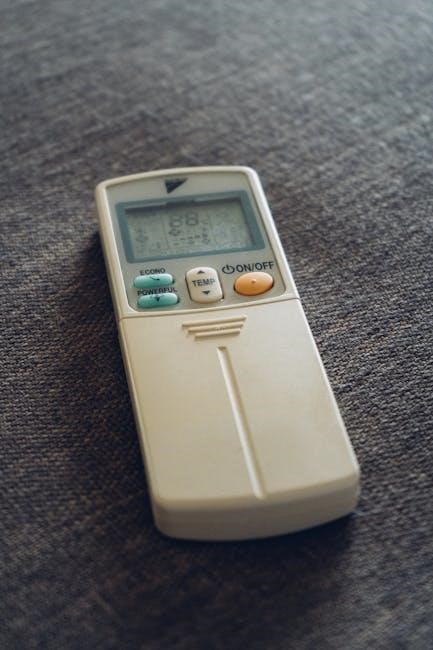
Inspect the insulation seams, particularly where the D fitting and E fitting insulation meet. Make sure to bring the seam of D fitting insulation and E fitting insulation to the top to prevent thermal loss and condensation.
If issues persist, consult the detailed installation manual and relevant Daikin technical documentation for specific error codes and troubleshooting steps. Remember to prioritize safety and disconnect power before performing any maintenance.
Unit Shutdown Problems
Unexpected shutdowns are a frequently reported issue with newly installed Daikin units. A common scenario involves the system operating for approximately 30 minutes before automatically shutting down, potentially indicating a communication error or electrical fault within the system.
Before assuming a major malfunction, verify proper electrical wiring at both the indoor and outdoor units. Loose connections or improperly sized wiring can trigger safety mechanisms and cause the unit to shut down.
Check for error codes displayed on the indoor unit or through the connected thermostat. These codes provide valuable clues regarding the cause of the shutdown.
Operating the unit under improper conditions, such as exceeding the specified operating temperature range, may also result in shutdown as a protective measure. Ensure the unit is operating within its designed parameters.
If the problem persists, consult a qualified Daikin technician for diagnosis and repair, as internal component failures may be the root cause.
Wiring Connection Issues
Improper wiring is a significant contributor to installation problems and potential safety hazards with Daikin systems. When connecting wires to the terminal block, always utilize single-core wire and ensure proper curling of the wire ends for a secure connection.
Loose wiring connections can lead to intermittent operation, system shutdowns, or even electrical fires. Carefully inspect all wiring connections at both the indoor and outdoor units, verifying tightness and correct polarity.
Ensure the service lid fits securely after wiring is complete. Wires that are not properly secured can become dislodged, causing a loss of power or control signals.
Problems with installation may cause heat and fires, so meticulous attention to detail is crucial. Double-check all wiring diagrams and specifications before making any connections.
If encountering difficulties, consult the Daikin installation manual or a qualified technician to ensure correct wiring procedures are followed.
Insulation Seam Alignment
Proper insulation is critical for optimal performance and preventing energy loss in Daikin systems. A key aspect of effective insulation is ensuring correct seam alignment, particularly with the D and E fitting insulation.
Make sure to bring the seam of D fitting insulation and E fitting insulation to the top. This configuration minimizes the potential for moisture ingress and maximizes the thermal barrier provided by the insulation.
Misaligned seams can create gaps where condensation can form, leading to reduced efficiency, corrosion, and potential damage to the refrigerant piping and surrounding components.
Be sure to insulate any field piping completely, extending the insulation all the way to the piping connection inside the unit. Any exposed piping is susceptible to heat loss or gain, impacting system performance.
Carefully inspect the insulation seams after installation to confirm proper alignment and a tight seal. Address any gaps or misalignments immediately to maintain system integrity.